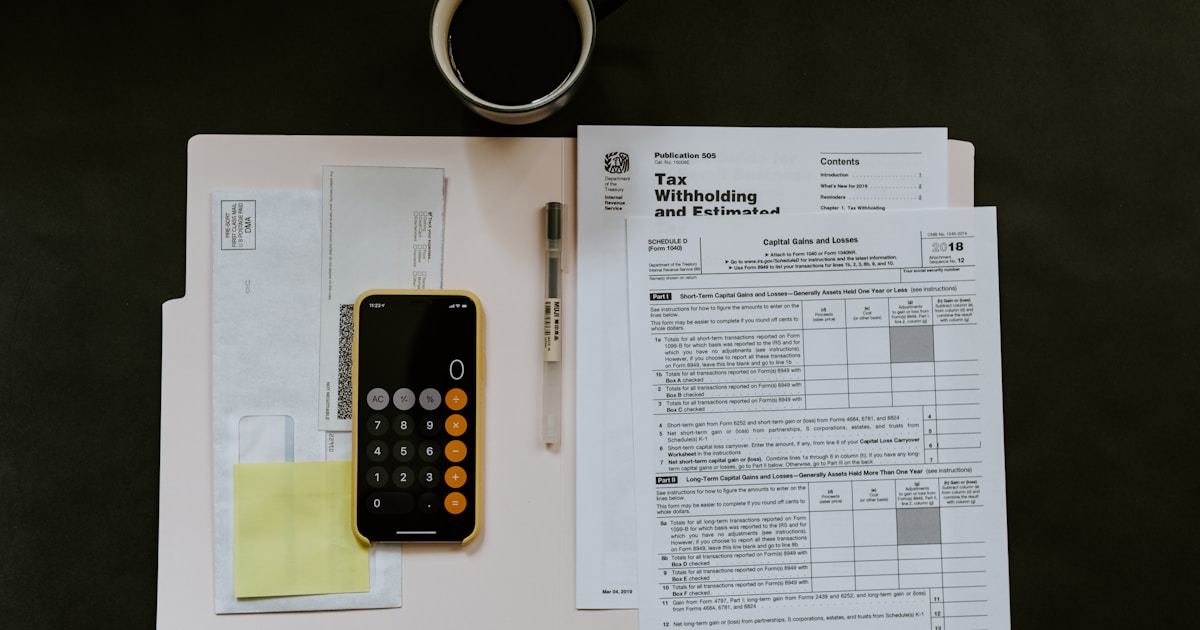
Every April, millions of people across the UK ask the same question: how much tax am I actually paying? Whether you are employed, self-employed, or juggling both, understanding your tax position is one of the most important financial skills you can have. Yet HMRC's own systems can feel deliberately confusing — tax codes, personal allowances, National Insurance classes, self assessment deadlines. It is a lot to take in.
I built this guide to cut through all of that. By the end, you will know exactly how UK income tax works for 2026/27, what has changed from 2025/26, how to calculate what you owe, and — crucially — how to use our free UK Tax Calculator to get your answer in under two minutes.
What Is Income Tax in the UK?
Income tax is a tax on your earnings collected by HMRC (His Majesty's Revenue and Customs). It applies to most types of income including:
- Employment income (salary and wages)
- Self-employment profits
- Rental income from property
- Pension income
- Interest and dividends above certain thresholds
The UK uses a progressive tax system. This means you do not pay the same rate on all your income — you pay different rates on different portions, called tax bands.
UK Income Tax Bands 2026/27
The 2026/27 tax year runs from 6 April 2026 to 5 April 2027. The income tax bands for England, Wales and Northern Ireland are:
| Band | Taxable Income | Tax Rate |
|---|---|---|
| Personal Allowance | Up to £12,570 | 0% |
| Basic Rate | £12,571 to £50,270 | 20% |
| Higher Rate | £50,271 to £125,140 | 40% |
| Additional Rate | Over £125,140 | 45% |
Scotland has its own income tax rates set by the Scottish Parliament. If you live in Scotland, you pay Scottish income tax rates which have more bands and different thresholds.
Scottish Income Tax Bands 2026/27
| Band | Taxable Income | Tax Rate |
|---|---|---|
| Personal Allowance | Up to £12,570 | 0% |
| Starter Rate | £12,571 to £14,876 | 19% |
| Basic Rate | £14,877 to £26,561 | 20% |
| Intermediate Rate | £26,562 to £43,662 | 21% |
| Higher Rate | £43,663 to £75,000 | 42% |
| Advanced Rate | £75,001 to £125,140 | 45% |
| Top Rate | Over £125,140 | 48% |
What Has Changed From 2025/26 to 2026/27?
The 2026/27 tax year brings no dramatic headline changes but the ongoing freeze on thresholds continues to quietly increase the tax burden for millions of UK workers. Here is a full summary of what is the same and what has changed:
Personal Allowance — Still Frozen at £12,570
The Personal Allowance remains frozen at £12,570 for 2026/27. The freeze was originally announced until April 2028 by the previous government and the current Labour government has confirmed it will continue. This ongoing freeze means that as wages rise with inflation, more people are pulled into higher tax bands — a process known as fiscal drag. Since 2021, this freeze has effectively raised taxes for millions of workers without a single change to the headline rates.
Basic Rate Threshold — Still Frozen at £50,270
The higher rate threshold of £50,270 remains frozen for 2026/27. This means anyone receiving a pay rise above inflation risks crossing into the 40% band without any actual increase in their real-terms income. If you are approaching this threshold, use our UK Tax Calculator to model the impact of a pay rise before accepting it.
National Insurance — Employer Rates Increased April 2025
From April 2025, employer National Insurance contributions increased from 13.8% to 15%, and the threshold at which employers start paying NI dropped from £9,100 to £5,000 per year. While this does not directly affect employee take-home pay, many economists expect it to slow wage growth as employers absorb higher costs. Employee NI rates remain unchanged for 2026/27.
Scottish Rates for 2026/27
The Scottish Government typically announces its income tax rates as part of the Scottish Budget in December. For 2026/27, no changes have been confirmed at the time of writing. We will update our UK Tax Calculator as soon as the rates are confirmed by the Scottish Parliament.
What This Means For You in 2026/27
If you received a pay rise in 2025 or expect one in 2026, it is worth recalculating your tax position. Even a modest salary increase can push you into a higher band or reduce your take-home pay by more than you expect once NI and student loan thresholds are factored in. Use our UK Tax Calculator to model your exact 2026/27 position.
What Is the Personal Allowance for 2026/27?
The Personal Allowance for 2026/27 is £12,570 — unchanged from 2025/26. This is the amount of income you can earn before paying any income tax. It has been frozen since 2021 and is confirmed to remain frozen until at least April 2028.
Important: if you earn over £100,000, your Personal Allowance is reduced by £1 for every £2 you earn above that threshold. Once your income reaches £125,140, your Personal Allowance is zero. This creates an effective 60% tax rate on income between £100,000 and £125,140 — one of the most punishing tax traps in the UK system and one that will remain in place throughout 2026/27.
How Is PAYE Tax Calculated in 2026/27?
PAYE stands for Pay As You Earn. It is the system your employer uses to deduct income tax and National Insurance directly from your salary before you receive it. Here is how it works step by step:
Step 1 — Determine Your Gross Income
Start with your total annual salary before any deductions. If you want to see your full salary breakdown including bonuses and overtime, try our UK Salary Calculator which handles all of these scenarios for 2026/27.
Step 2 — Subtract Your Personal Allowance
Deduct £12,570 (assuming standard tax code 1257L). The result is your taxable income.
Step 3 — Apply the Tax Bands
Apply the relevant tax rates to each portion of your taxable income:
- First £37,700 of taxable income at 20% = up to £7,540
- Income between £37,701 and £112,570 at 40%
- Income above £112,570 at 45%
Step 4 — Add National Insurance
National Insurance Class 1 contributions for employees in 2026/27:
- 12% on earnings between £12,570 and £50,270
- 2% on earnings above £50,270
Step 5 — Deduct Other Items
Student loan repayments, pension contributions, and other deductions are applied to give your final take-home pay. Use our UK Salary Calculator to see all deductions broken down in full.
UK Tax Calculator 2026/27 — Try It Now
Rather than doing all this manually, use our free UK Tax Calculator. Enter your salary and it instantly shows:
- Income tax breakdown by band for 2026/27
- National Insurance contributions
- Student loan repayments (Plan 1, 2, 4, 5)
- Pension contribution impact
- Take-home pay annually, monthly, weekly and daily
- Effective and marginal tax rates
- Side by side comparison with 2025/26
It covers England, Wales, Northern Ireland and Scotland — and takes less than two minutes to use.
Self Employed Tax in the UK 2026/27
If you are self-employed, you do not pay tax through PAYE. Instead you complete a Self Assessment tax return each year and pay your tax directly to HMRC. The income tax rates are the same as for employees but National Insurance works differently.
Self Employed National Insurance 2026/27
- Class 2 NI: £3.45 per week if profits exceed £12,570
- Class 4 NI: 9% on profits between £12,570 and £50,270, then 2% above
So a self-employed person earning £40,000 profit in 2026/27 pays:
- Income tax: approximately £5,486
- Class 2 NI: £179.40
- Class 4 NI: approximately £2,466
- Total tax: approximately £8,131
- Take-home: approximately £31,869
If you are self-employed and also have a mortgage, it is worth checking our Mortgage Affordability Calculator — lenders assess self-employed applicants differently and knowing your net income after tax is essential before applying.
Self Assessment Deadlines 2026/27
You must complete a Self Assessment tax return if you:
- Are self-employed with profits over £1,000
- Earn over £100,000 from employment
- Have untaxed income over £2,500 (rental income, investments)
- Are a company director
- Have income from abroad
- Receive Child Benefit and either partner earns over £60,000
Key Self Assessment Dates for 2026/27
| Deadline | What It Is |
|---|---|
| 5 October 2026 | Register for Self Assessment for 2025/26 |
| 31 October 2026 | Paper tax return deadline for 2025/26 |
| 31 January 2027 | Online tax return deadline for 2025/26 |
| 31 January 2027 | Pay tax owed for 2025/26 |
| 31 July 2027 | Second payment on account for 2026/27 |
Missing the 31 January 2027 deadline results in an automatic £100 penalty, even if you owe no tax.
Tax Codes for 2026/27 Explained
Your tax code tells your employer how much tax to deduct. The most common tax code is 1257L which means you get the standard £12,570 Personal Allowance. This code is expected to remain the same for 2026/27. Here are the most common codes:
| Tax Code | What It Means |
|---|---|
| 1257L | Standard Personal Allowance — most common |
| BR | All income taxed at basic rate 20% — no allowance |
| D0 | All income taxed at higher rate 40% |
| D1 | All income taxed at additional rate 45% |
| NT | No tax deducted |
| K codes | You owe tax from a previous year |
| M or N | Marriage Allowance transferred |
| S prefix | Scottish taxpayer |
| C prefix | Welsh taxpayer |
With the start of the 2026/27 tax year from April 2026, it is worth double checking your code is correct — especially if you changed jobs, started a side business, or received a pay rise in 2025. If your tax code looks wrong, contact HMRC on 0300 200 3300 or check your Personal Tax Account at gov.uk.
How to Reduce Your Tax Bill in 2026/27
There are several legitimate ways to reduce the amount of income tax you pay in 2026/27:
1. Pension Contributions
Contributions to a pension reduce your taxable income. If you earn £55,000 and contribute £5,000 to a pension, you only pay higher rate tax on £50,000 instead of £55,000 — saving you £2,000 in tax. With thresholds frozen until 2028, pension contributions are one of the most powerful tools available in 2026/27. Use our UK Tax Calculator to model exactly how much pension contributions save you.
2. Marriage Allowance
If one partner earns less than £12,570 and the other is a basic rate taxpayer, the lower earner can transfer £1,260 of their Personal Allowance — saving up to £252 per year in 2026/27.
3. Gift Aid
Donations to charity through Gift Aid are tax-deductible. Higher rate taxpayers can claim back the difference between basic and higher rate tax on donations.
4. Salary Sacrifice
Exchanging part of your salary for benefits like childcare vouchers, cycle to work schemes, or electric car leasing reduces your taxable income and National Insurance in 2026/27. Our UK Salary Calculator includes a salary sacrifice mode so you can see the exact saving before agreeing to any scheme.
5. ISA Allowance
You can save up to £20,000 per year in an ISA. All interest, dividends and capital gains within an ISA are completely tax-free. The ISA allowance is expected to remain at £20,000 for 2026/27. Use our Savings Calculator to see how much your ISA could grow over time with compound interest.
6. Compound Interest on Tax-Free Savings
Once you have reduced your tax bill, putting the savings to work matters just as much. Our Compound Interest Calculator shows exactly how your money grows when reinvested over time — the earlier you start, the bigger the difference.
The 60% Tax Trap in 2026/27
One of the most unfair aspects of the UK tax system affects people earning between £100,000 and £125,140. In this range, you lose £1 of Personal Allowance for every £2 you earn. Combined with the 40% higher rate tax, this creates an effective marginal tax rate of 60%. This trap remains in place for 2026/27 with no changes announced.
For example, if you earn £110,000 in 2026/27:
- You have already lost £5,000 of your Personal Allowance
- That £5,000 is now taxed at 40% = £2,000 extra tax
- Plus 40% on the additional £10,000 = £4,000
- Total extra tax on the £10,000 above £100,000 = £6,000
- Effective rate = 60%
Our UK Tax Calculator automatically detects and highlights when you are in this trap and suggests pension contribution strategies to avoid it.
Planning Your Finances Around Your 2026/27 Tax Position
Understanding your tax is only the first step. Once you know your take-home pay for 2026/27, you can start planning properly. Here are the tools we recommend using together:
- UK Salary Calculator — see your full 2026/27 pay breakdown including bonuses, overtime and student loans
- Mortgage Calculator — work out what you can afford to borrow based on your net income
- Stamp Duty Calculator — calculate SDLT, LBTT or LTT when buying a property in 2026
- Savings Calculator — plan how much your savings will grow after tax
- Loan Calculator — calculate monthly repayments on personal loans or car finance
- Compound Interest Calculator — see how investments grow over time
- Personal Finance Compiler — track all your income, expenses and debts in one place
Frequently Asked Questions
How much income tax will I pay on £30,000 in 2026/27?
On a salary of £30,000 in 2026/27, you will pay approximately £3,486 in income tax. Your Personal Allowance covers the first £12,570, and you pay 20% on the remaining £17,430. After National Insurance of approximately £2,052, your take-home pay is approximately £24,462 per year or £2,039 per month. Use our UK Tax Calculator for an exact figure.
Will income tax rates change in 2026/27?
No changes to the headline income tax rates have been announced for 2026/27. The Personal Allowance and higher rate threshold are both expected to remain frozen at £12,570 and £50,270 respectively until at least April 2028. This means your tax bill will effectively increase if your salary rises with inflation.
What is the income tax rate in the UK for 2026/27?
The basic rate is 20% on income between £12,571 and £50,270. The higher rate is 40% on income between £50,271 and £125,140. The additional rate is 45% on income above £125,140. Scotland has different rates with more bands.
Do I need to do a Self Assessment tax return for 2026/27?
You need to complete a Self Assessment if you are self-employed with profits over £1,000, earn over £100,000, have untaxed income over £2,500, or meet several other criteria. The online deadline for 2025/26 returns is 31 January 2027.
How do I calculate self employed tax for 2026/27?
Self-employed tax is calculated on your profits (income minus allowable expenses). You pay income tax at the same rates as employees, plus Class 2 NI at £3.45 per week and Class 4 NI at 9% on profits between £12,570 and £50,270. Use our free UK Tax Calculator to get an instant estimate for 2026/27.
What is the personal allowance for 2026/27?
The Personal Allowance for 2026/27 is £12,570 — the same as 2025/26. It has been frozen since 2021 and is confirmed to stay frozen until at least April 2028.
What is my tax code for 2026/27?
Most people will keep the same tax code 1257L for 2026/27. You can check your tax code on your payslip, P60, or by logging into your HMRC Personal Tax Account at gov.uk. If it looks wrong, contact HMRC on 0300 200 3300.
How much National Insurance do I pay in 2026/27?
Employees pay 12% National Insurance on earnings between £12,570 and £50,270, and 2% on earnings above £50,270. Self-employed people pay Class 2 NI at £3.45 per week and Class 4 NI at 9% on profits between £12,570 and £50,270.
Can I use the UK Tax Calculator for 2026/27 for free?
Yes. Our UK Tax Calculator is completely free to use with no sign-up required. It covers 2024/25, 2025/26 and 2026/27 tax years, all UK regions including Scotland, and handles employed, self-employed, student loans, pension contributions and more.
What other finance tools does CalcTechLab offer?
We have a full suite of UK finance tools including our UK Salary Calculator, Mortgage Calculator, Stamp Duty Calculator, Savings Calculator, Loan Calculator, Compound Interest Calculator and Personal Finance Compiler. All free, no sign-up required.
Comments
No comments yet. Be the first to comment!
Leave a Comment